Vitamin Deficiency: Causes, Symptoms & Effective Nutritional Solutions
Vitamin deficiency is a growing health concern affecting people across different age groups. When the body lacks essential vitamins required for proper functioning, it can lead to fatigue, weakened immunity, poor bone health, and reduced mental clarity. Vitamin deficiency often develops gradually, making early awareness and prevention crucial for long-term wellness.
At Orovita7, we are committed to delivering research-driven nutraceutical solutions and evidence-based health education to help individuals maintain optimal nutritional balance.
Understanding Vitamin Deficiency
Vitamin deficiency occurs when the body does not receive enough essential vitamins such as vitamin A, B-complex, C, D, E, or K. These micronutrients play a critical role in immune function, energy production, bone strength, and cellular repair. A prolonged vitamin deficiency can disrupt metabolic processes and increase vulnerability to illness.
Modern lifestyles, processed foods, and irregular eating patterns have contributed significantly to the rise in vitamin deficiency cases worldwide.
Common Causes
Several factors increase the risk of vitamin deficiency, including:
Poor dietary diversity
Limited intake of fruits and vegetables
Digestive disorders affecting nutrient absorption
Chronic medical conditions
Increased nutritional needs during pregnancy
Lack of sun exposure (for vitamin D)
In some cases, strict dieting or unbalanced vegetarian diets without proper planning may also lead to vitamin deficiency.
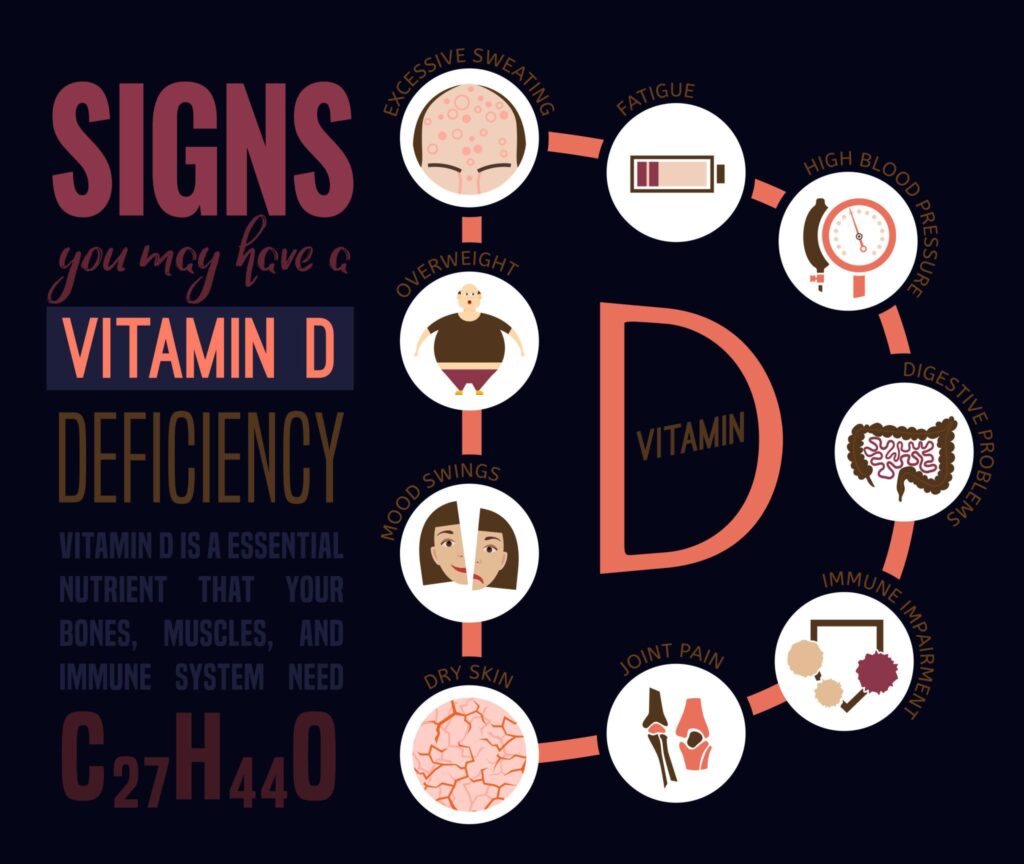
Signs and Symptoms
The symptoms vary depending on the specific nutrient lacking. Common warning signs include:
Persistent fatigue
Hair fall and brittle nails
Pale skin
Frequent infectionsMuscle weakness
Bone discomfort
For example, vitamin B12 deficiency may cause nerve-related symptoms, while vitamin D deficiency can impact bone density. Early diagnosis of it through blood testing helps prevent long-term complications.


Health Risks of Untreated Deficiency
If ignored, it can contribute to anemia, weakened immunity, osteoporosis, hormonal imbalance, and reduced cognitive performance. In children, it may affect growth and development. In elderly individuals, vitamin deficiency can delay recovery from illness and increase fall risk.
Scientific studies highlight that correcting vitamin deficiency improves immune response, enhances energy levels, and supports overall metabolic health.
Prevention and Nutritional Support
Preventing vitamin deficiency requires a balanced and nutrient-rich diet. Important strategies include:
Consuming fresh fruits and leafy vegetables
Including whole grains and legumes
Maintaining adequate protein intake
Getting safe sun exposure for vitamin D
Staying hydrated
However, diet alone may not always meet daily micronutrient requirements. In such cases, high-quality nutraceutical supplements can help restore balance. Orovita7 develops scientifically formulated products designed to address it safely and effectively while supporting overall wellness.
Professional medical guidance ensures proper dosage and targeted supplementation.
Commitment at Orovita7
Orovita7 follows that framework to ensure reliable health communication:
– Practical understanding of nutritional challenges
– Science-backed information and research-supported formulations
– Evidence-driven health recommendations
– Transparent and responsible educational content
Our mission is to empower individuals with accurate knowledge and effective solutions to prevent vitamin deficiency and maintain long-term health.
FAQ's
1. What is vitamin deficiency?
It is a condition where the body lacks essential vitamins required for proper functioning.
2. What are the common symptoms?
Fatigue, hair fall, weak immunity, pale skin, and bone pain are common signs.
3. How can it be prevented?
A balanced diet, healthy lifestyle, and supplementation when necessary can prevent deficiencies.
4. Who is at higher risk?
Pregnant women, elderly individuals, and people with digestive disorders are more vulnerable.
5. Are supplements necessary?
Supplements may help when dietary intake is insufficient, but they should be taken under professional guidance.