High Cholesterol: Causes, Risks & Natural Ways to Manage It
High cholesterol is one of the most common yet silent health issues affecting millions of people around the world.
It happens when there is too much cholesterol in the blood, which can increase the risk of heart disease, stroke, and other problems related to the heart and blood vessels. Because it often does not cause noticeable symptoms, regular check-ups and preventive care are very important.
At Orovita7, we focus on providing nutritional awareness based on scientific evidence and wellness solutions that are supported by research.
Our goal is to help people achieve and maintain good heart health in a safe and responsible way.
What Is High Cholesterol?
Cholesterol is a type of fat made by the liver and also found in certain foods.
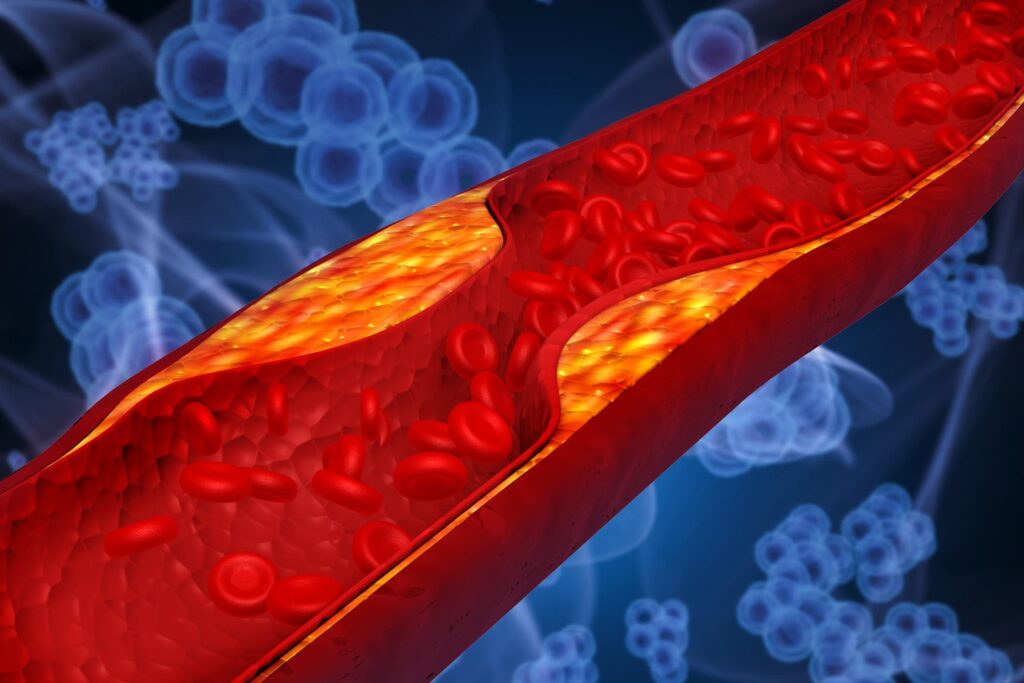
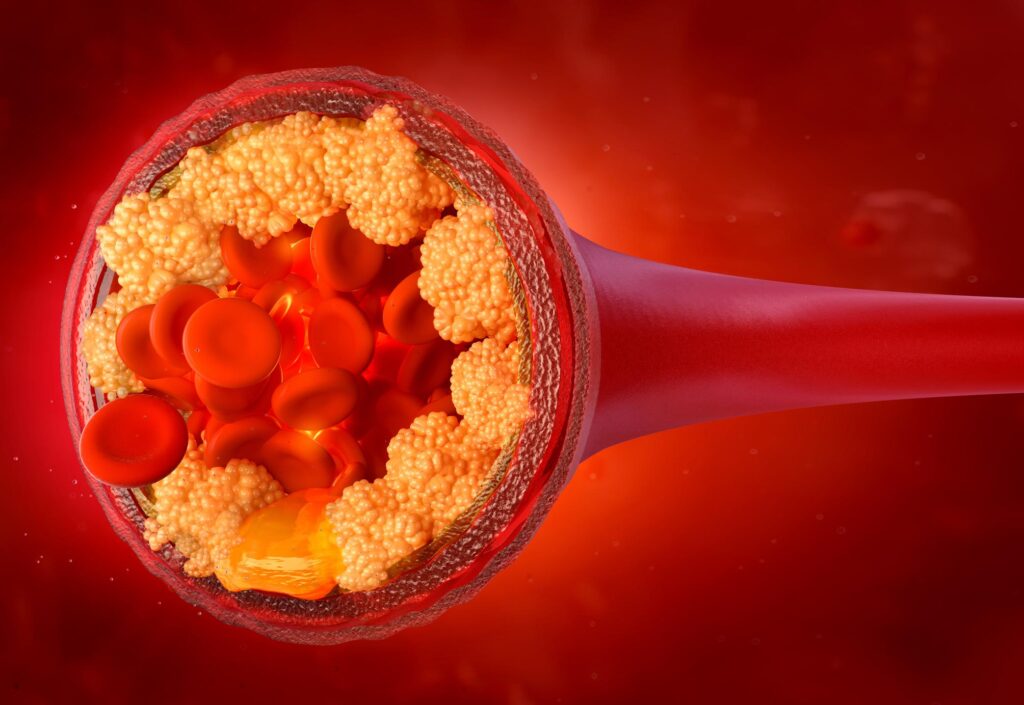
It is essential for making hormones, creating vitamin D, and building the structure of cells. However, high cholesterol occurs when low-density lipoprotein (LDL), often referred to as “bad cholesterol,” accumulates in the arteries.
Over time, this buildup can lead to the formation of plaque, which narrows the arteries and limits blood flow.
If left untreated, high cholesterol can greatly increase the chances of serious cardiovascular problems.
Causes and Risk Factors
There are several lifestyle and genetic factors that contribute to high cholesterol, including:
– A diet high in saturated and trans fats
– A sedentary lifestyle with little physical activity
– Obesity and an imbalance in metabolism
– Smoking and drinking too much alcohol
– A family history of lipid disorders
– Chronic stress
Foods that are highly processed or fried are major contributors.
Poor eating habits and jobs that involve sitting for long periods can also raise the risk of developing high cholesterol over time.
Health Risks Associated With High Cholesterol
High cholesterol can lead to severe health issues such as:
– Coronary artery disease
– Heart attack
– Stroke
– Peripheral artery disease
The buildup of plaque can also reduce the amount of oxygen reaching important organs.
Because high cholesterol often has no warning signs, many people do not know they have it until a serious health problem occurs.
Symptoms and Diagnosis
In most cases, high cholesterol does not show any symptoms.
It is usually found through a blood test called a lipid profile, which measures:
– LDL (bad cholesterol)
– HDL (good cholesterol)
– Total cholesterol
– Triglycerides
Regular screening is advised, especially for those with a family history of high cholesterol or heart disease.
Natural Strategies to Support Healthy Cholesterol Levels
Controlling high cholesterol requires making consistent lifestyle changes.
Some effective ways include:
1.
Balanced Nutrition
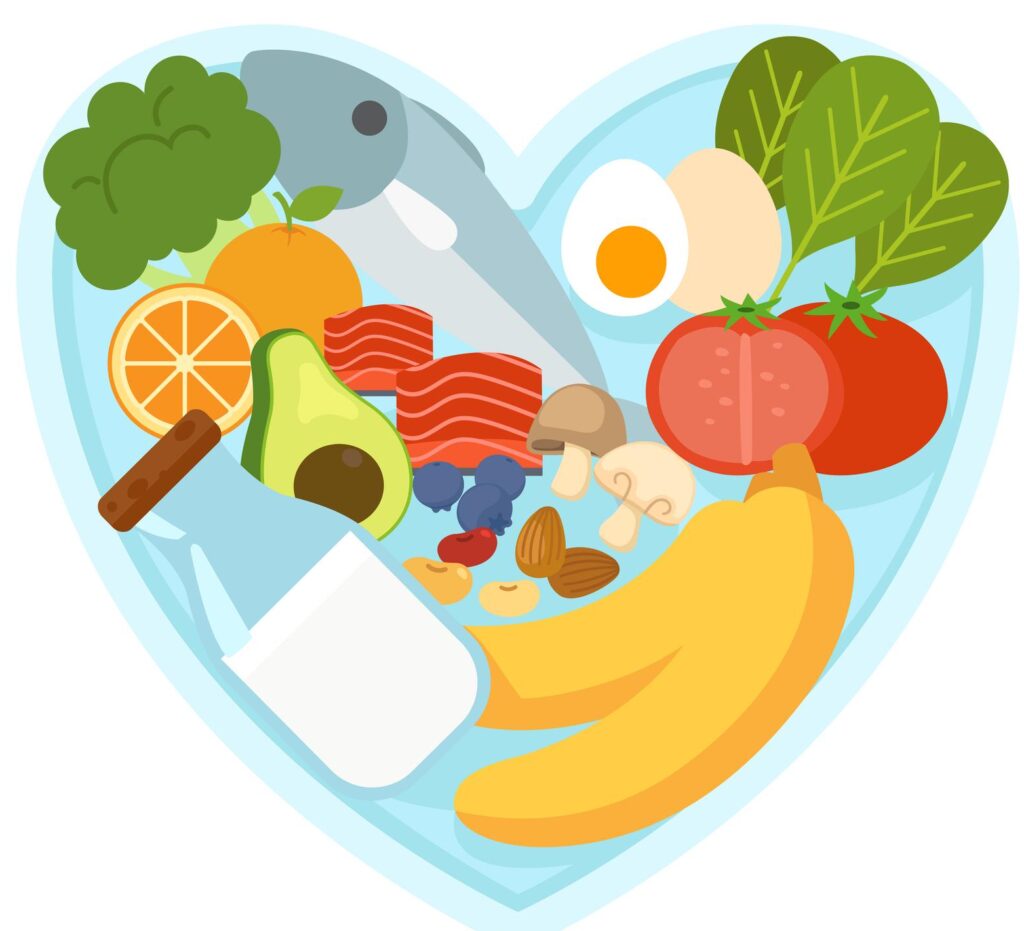
Eat more fiber-rich foods like oats, legumes, fruits, and vegetables.
Soluble fiber can naturally help lower LDL levels.
2.
Healthy Fats
Replace unhealthy fats with healthier options found in nuts, seeds, olive oil, and fatty fish.
3.
Regular Physical Activity
Aim for at least 30 minutes of moderate exercise daily.
This can help increase HDL levels and support heart health.
4.
Weight Management
Keeping a healthy weight can greatly reduce the risk of high cholesterol and related health issues.
5.
Nutraceutical Support
Certain supplements, made with ingredients like plant sterols, omega fatty acids, and antioxidants, may help balance cholesterol levels when used along with lifestyle changes.
At Orovita7, our products are made with ingredients that have been scientifically tested to support heart and metabolic health in a responsible way.
Orovita7’s Commitment
We follow that framework to ensure our health-related information is reliable and trustworthy:
– Understanding real-world challenges with heart health
– Credible research in nutrition and health
– Information based on scientific evidence
– Transparent and responsible guidance
Our mission is to offer clear, research-based information so that people can make informed decisions about their health.
FAQ's
1. *What causes high cholesterol?*
Common causes include an unhealthy diet, lack of physical activity, genetic factors, obesity, and smoking.
2. *Is high cholesterol dangerous?*
Yes, it increases the risk of heart disease, stroke, and blockage of blood vessels.
3. *Can high cholesterol be controlled naturally?*
Yes, lifestyle changes such as eating better, exercising more, and managing weight can make a big difference.
4. *How often should cholesterol be checked?*
Adults should get a lipid profile test every 4–6 years.
Those at higher risk may need to get tested more frequently.
5. *Do supplements help reduce cholesterol?*
Certain research-backed nutraceuticals may support healthy cholesterol levels when used with medical advice and lifestyle changes.