Vata Balancing Diet: Ayurvedic Nutrition for Calm and Stability
In Ayurveda, Vata dosha governs movement, nervous system activity, and creativity. When Vata becomes imbalanced, it can lead to dryness, anxiety, poor digestion, and fatigue. A vata balancing diet plays a vital role in restoring harmony by nourishing the body with warm, grounding, and easily digestible foods.
At Orovita7, we believe that this diet is essential for maintaining natural rhythm and long-term wellness.
What Is a Vata Balancing Diet?
A vata diet is an Ayurvedic dietary approach designed to calm excess Vata dosha. Vata is light, dry, cold, and mobile in nature. Therefore, a vata diet focuses on foods that are warm, moist, nourishing, and grounding.
The primary goal of a vata diet is to stabilize digestion, support the nervous system, and enhance energy levels naturally.
Key Foods in a Vata Balancing Diet
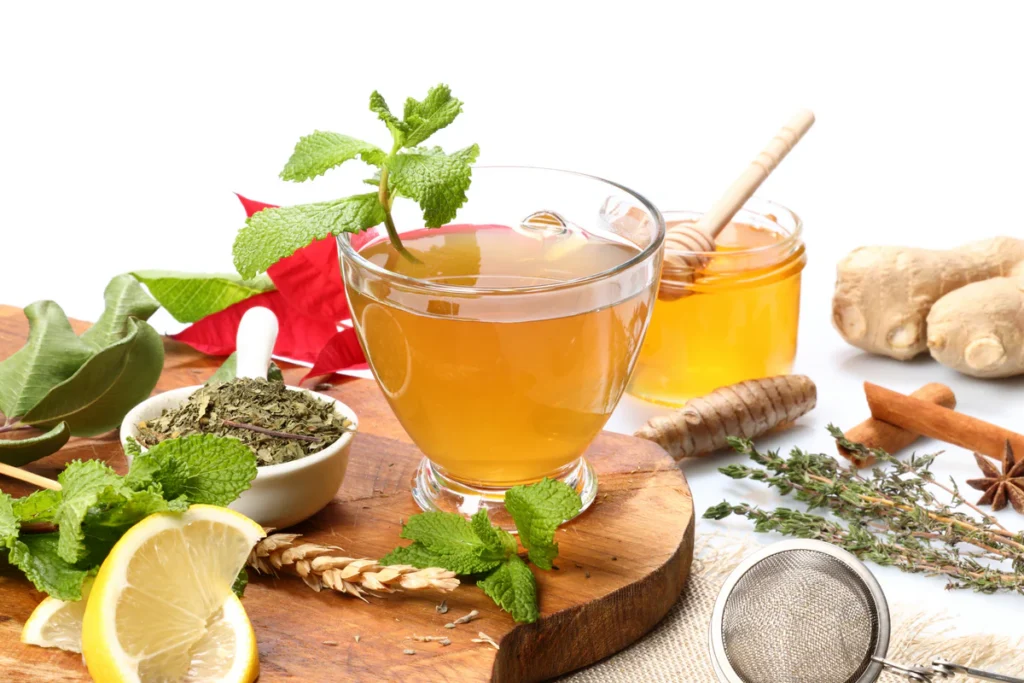
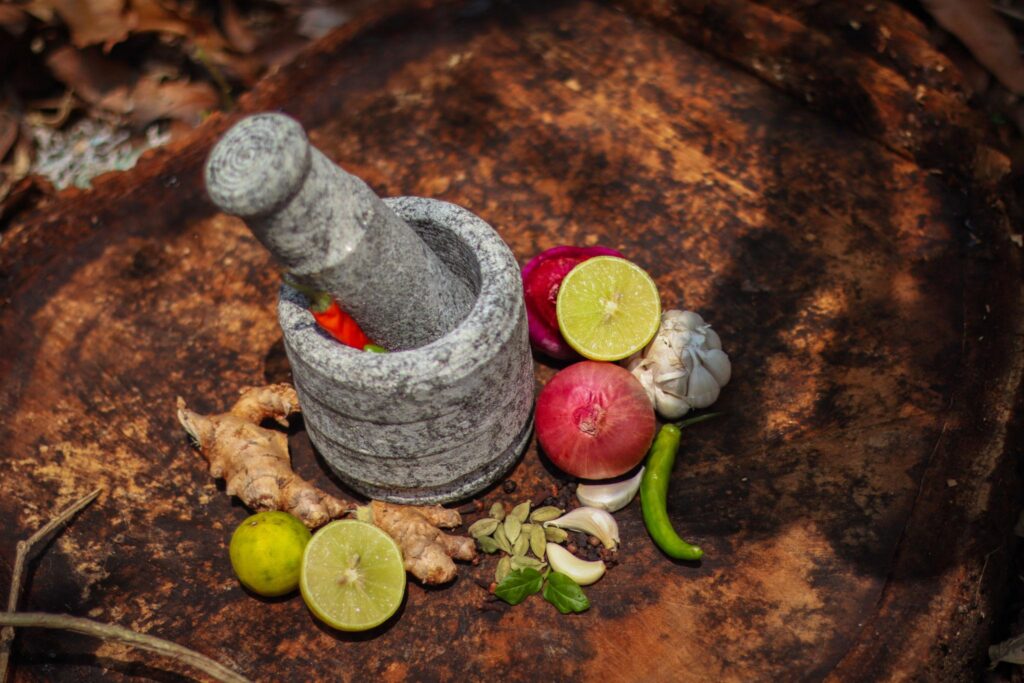
The foundation of a vata balancing diet lies in choosing foods that counter dryness and coldness. Warm, freshly prepared meals are highly recommended.
Foods commonly included in a vata diet:
Cooked vegetables
Warm grains
Healthy natural fats
These foods nourish tissues and help ground excess Vata energy.
Foods to Avoid in a Vata Balancing Diet
To maintain balance, a vata balancing diet avoids foods that aggravate dryness and irregularity.
Foods that may disturb a vata diet include:
Cold and raw foods
Excessively dry snacks
Highly processed meals
Excess caffeine
Avoiding these supports digestive strength and enhances the effectiveness of a vata balancing diet.
Vata Balancing Diet and Digestive Health
Digestion is central to Ayurvedic health. A vata balancing diet strengthens digestive fire (Agni) and improves nutrient absorption.
Digestive benefits of that diet:
Reduces gas and bloating
Improves appetite regularity
Supports gut comfort
A strong digestive system ensures the success of any vata diet.
Vata Balancing Diet for Mental Calm
Vata imbalance often affects the mind, leading to restlessness and overthinking. A vata balancing diet nourishes the nervous system and promotes mental stability.
By following it, individuals may experience:
Improved concentration
Emotional steadiness
Reduced nervous tension
This mind-body connection highlights the holistic nature of that diet.
Modern Lifestyle and Vata Balancing Diet
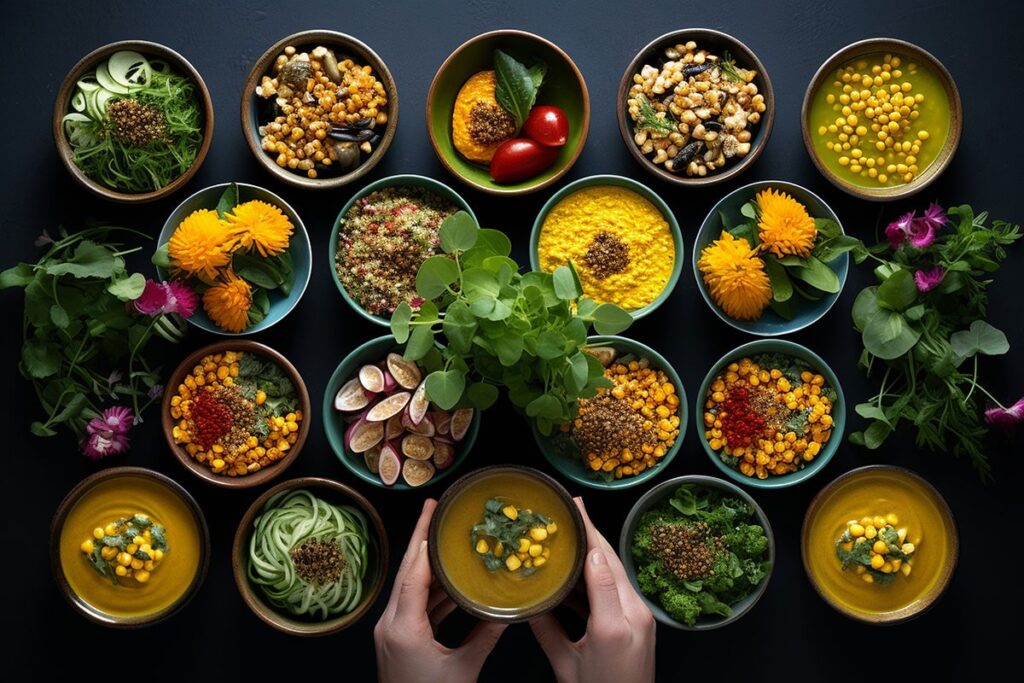
Irregular routines, late nights, travel, and stress increase Vata imbalance. That offers structure and nourishment that fits into modern lifestyles.
Simple practices to support a that diet:
Eat meals at regular times
Prefer warm, freshly cooked food
Stay hydrated with warm liquids
Consistency is key to maintaining the benefits of a that diet.
EEAT Approach to Vata Balancing Diet
Experience: Ayurveda has guided dietary practices for thousands of years.
Expertise: Ayurvedic practitioners consistently recommend a vata balancing diet for nervous and digestive health.
Authoritativeness: Classical Ayurvedic texts support food-based Vata management.
Trustworthiness: Orovita7 follows clean sourcing, transparency, and nature-aligned wellness principles.
This EEAT-driven approach ensures the vata diet remains credible and effective.
A vata diet is not about restriction—it is about nourishment, warmth, and rhythm. By choosing the right foods and maintaining regular habits, a vata diet helps restore calm, energy, and digestive comfort.
At Orovita7, we promote the vata diet as a natural, sustainable way to support holistic wellness through Ayurvedic wisdom.
FAQ's
1. What type of foods support calm and stability?
Warm, nourishing meals that are easy to digest can help support a sense of grounding and comfort.
2. Are cooked foods better than raw options for balance?
Warm, nourishing meals that are easy to digest can help support a sense of grounding and comfort.
3. How important are regular meal times?
Very important. Eating at consistent times helps support steady energy and digestive comfort.