Dry Skin: Causes, Symptoms & Natural Ways to Support Healthy Hydration
Dry skin is a common condition that can affect individuals of all ages. It occurs when the skin loses moisture and natural oils, leading to rough texture, flaking, tightness, and irritation. While occasional dryness may result from weather changes, persistent dry skin may signal dehydration, nutritional imbalance, or environmental stress.
At Orovita7, we promote evidence-based wellness education and research-backed nutritional solutions designed to support skin health from within.
Understanding Dry Skin
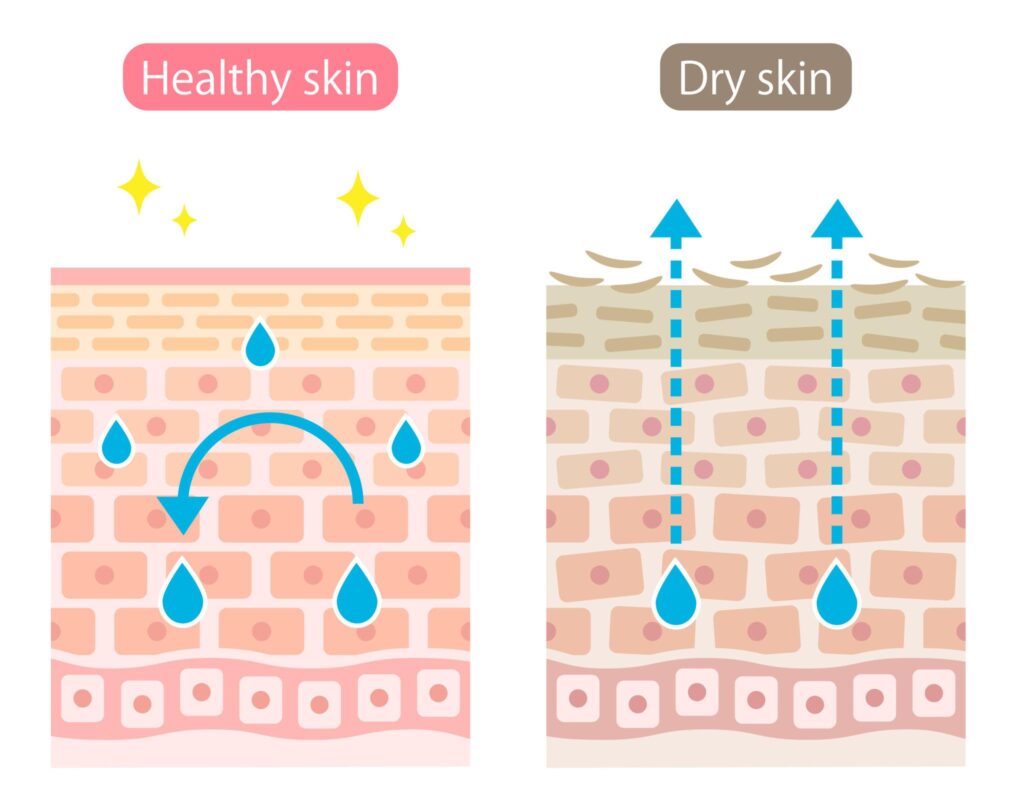
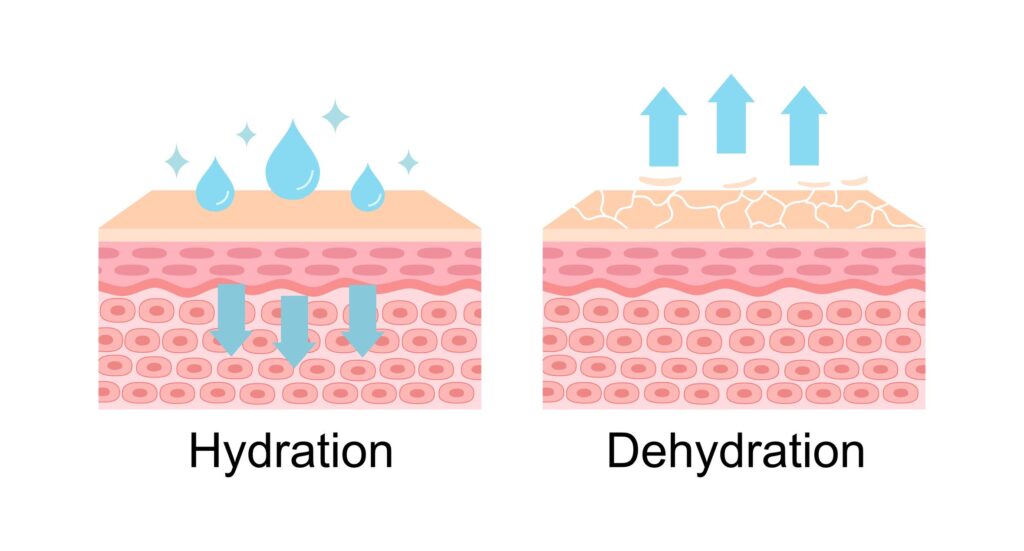
Dry skin develops when the outer protective barrier of the skin becomes compromised. This barrier normally helps retain moisture and defend against external irritants. When weakened, water escapes more easily, leaving the skin dehydrated and sensitive.
Environmental factors such as cold weather, low humidity, excessive sun exposure, and harsh skincare products often contribute to dry skin. However, internal factors such as poor hydration and nutrient deficiencies can also play a significant role.
Common Causes and Risk Factors
Several factors increase the likelihood of dry skin, including:
Inadequate water intake
Overuse of hot showers
Harsh soaps or chemical-based cosmetics
Nutritional deficiencies (vitamin E, omega fatty acids)
Aging-related moisture loss
Modern lifestyles with prolonged indoor exposure and limited hydration frequently contribute to dry skin concerns.
Signs and Symptoms
Dry skin may present with:
Rough or flaky texture
Itching or irritation
Redness
Tight feeling after washing
Small cracks on the surface
If left unmanaged, severe dry skin may lead to inflammation or discomfort, especially during seasonal changes.
Nutritional Link to Skin Hydration
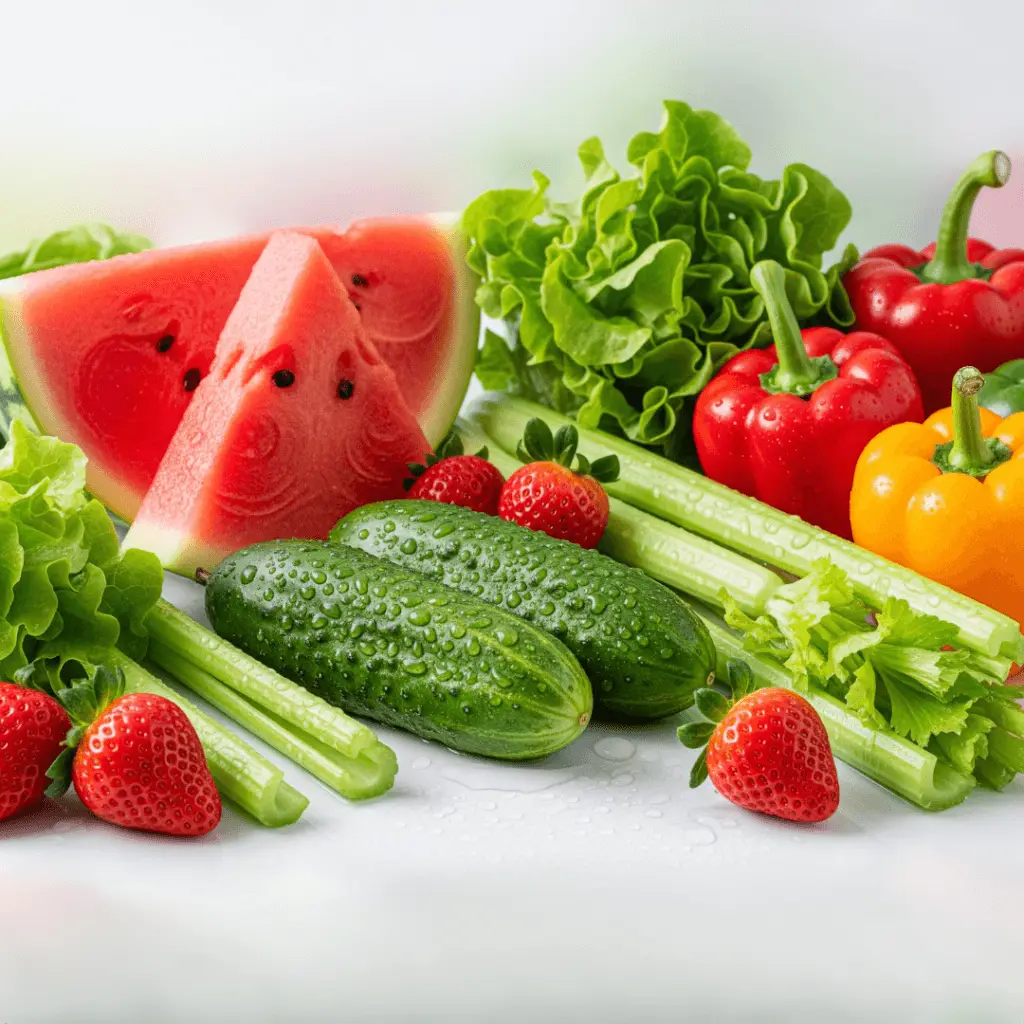
Balanced nutrition plays a crucial role in maintaining skin elasticity and moisture. Essential fatty acids help strengthen the skin barrier, while antioxidants protect against environmental damage. Adequate intake of vitamins A, C, and E supports collagen production and overall skin vitality.
Hydration is equally important. When the body lacks sufficient fluids, it may become more noticeable.
Natural Strategies to Support Skin Health
Managing dry skin requires both external care and internal nourishment.
1. Stay Hydrated
Drink sufficient water daily to maintain internal hydration.
2. Include Healthy Fats
Omega-rich foods such as nuts, seeds, and fatty fish support skin barrier function.
3. Gentle Skincare Routine
Use mild cleansers and moisturizers that help restore natural oils.
4. Protect Against Environmental Damage
Apply sunscreen and avoid prolonged exposure to harsh weather conditions.
5. Research-Based Nutraceutical Support
Certain antioxidant and omega-based supplements may support skin hydration from within when used responsibly.
At Orovita7, our formulations are developed using carefully researched ingredients aimed at supporting skin health, cellular hydration, and overall wellness.
Orovita7’s Commitment
We strictly follow the framework to ensure reliable health communication:
Experience: Understanding common skin health challenges
Expertise: Evidence-based nutritional research
Authoritativeness: Accurate and transparent wellness content
Trustworthiness: Responsible guidance without exaggerated claims
Our goal is to educate individuals about that while encouraging sustainable skincare and nutritional balance.
FAQ's
1. What causes dry skin?
Common causes include dehydration, weather changes, harsh skincare products, and nutrient deficiencies.
2. Can dry skin be prevented?
Yes, proper hydration, balanced nutrition, and gentle skincare can help.
3. Does diet affect dry skin?
Yes, lack of essential fatty acids and vitamins may contribute to dryness.
4. Is dry skin serious?
Mild dryness is common, but persistent irritation should be evaluated by a healthcare professional.
5. Can supplements help skin hydration?
Research-based supplements containing omega fatty acids and antioxidants may support skin health.