Hair Fall: Causes, Nutritional Factors & Natural Ways to Support Healthy Hair
Hair fall is a common issue that affects both men and women of all ages.
While losing a small amount of hair each day is normal, excessive hair loss might be a sign of nutritional deficiencies, hormonal changes, stress, or other lifestyle factors. It’s important to understand the underlying causes to choose the right steps for prevention and support.
At Orovita7, we focus on providing science-backed nutritional wellness and research-driven products that support overall vitality, including the health of your hair and scalp.
Understanding Hair Fall
Hair fall happens when the natural hair growth cycle is disrupted.
Hair goes through three stages: growth, transition, and shedding. When more strands enter the shedding phase than the growth phase, visible thinning may occur.
Occasional hair loss due to seasonal changes or temporary stress is common.
However, if hair fall continues over time, it may be necessary to evaluate your nutritional status and consider lifestyle changes.
Common Causes and Risk Factors
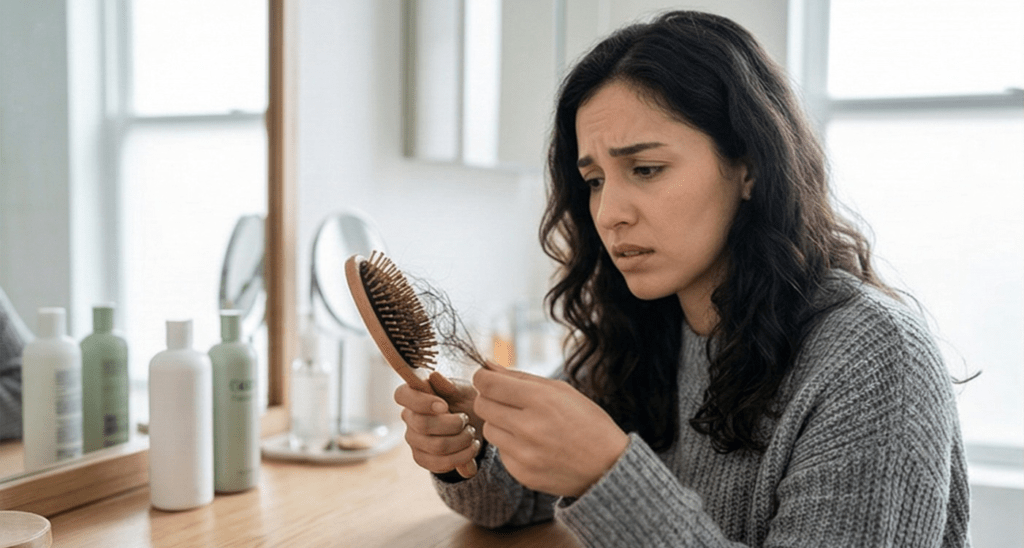
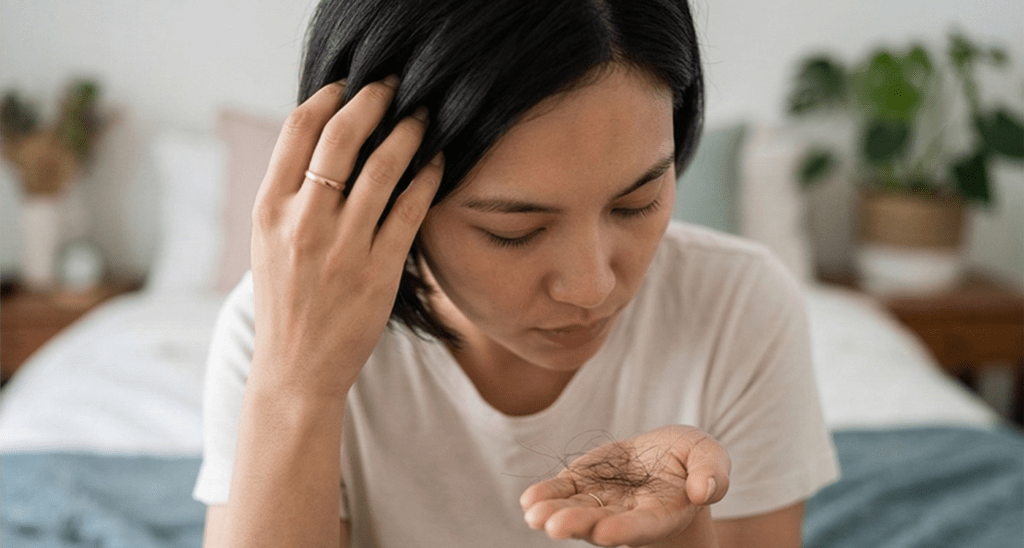
Several factors can lead to hair fall, including:
– Nutrient deficiencies such as iron, biotin, zinc, and protein
– Hormonal imbalances
– Chronic stress
– Poor scalp health
– Excessive use of chemical-based hair products
– Inadequate sleep
Many people today lack essential micronutrients needed for strong hair follicles.
Often, this is due to a low intake of protein and vitamins essential for keratin production.
Nutritional Connection to Hair Health
A well-balanced diet plays a key role in reducing hair fall.
Hair follicles need essential vitamins, minerals, and amino acids to maintain strength and thickness. Iron helps carry oxygen to hair roots, while biotin supports the structure of keratin.
Vitamin D, B-complex vitamins, and antioxidants also help maintain scalp health and protect hair follicles from oxidative stress.
Lifestyle Factors Affecting Hair Growth
Managing stress is important, as high cortisol levels may contribute to hair loss.
Poor sleep and dehydration can also impact hair quality. Regular physical activity improves blood circulation, which helps deliver nutrients efficiently to the scalp.
Avoiding tight hairstyles and harsh treatments can reduce mechanical damage, which can worsen hair loss.
Natural Strategies to Support Hair Health
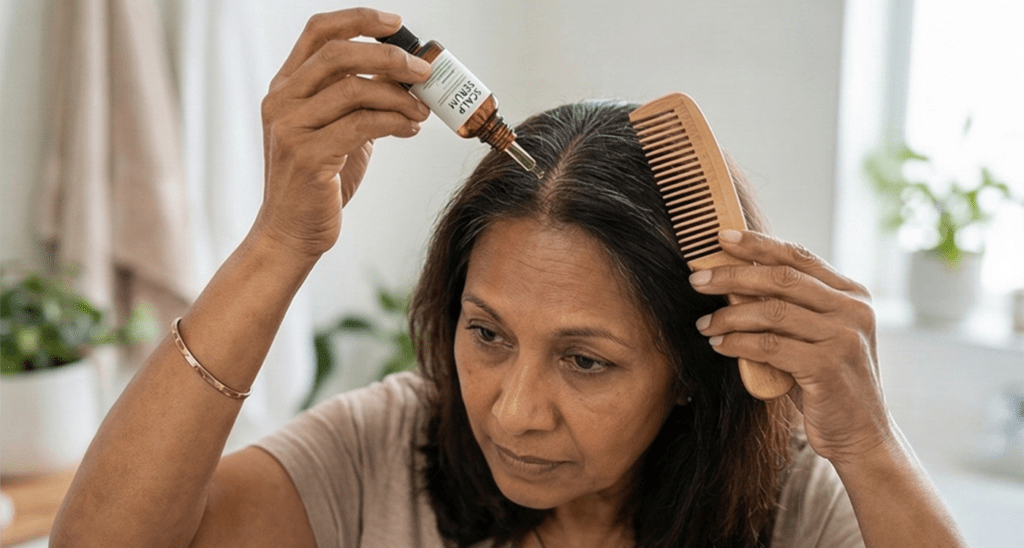
Successfully managing hair loss requires a comprehensive and consistent approach:
1. Balanced Diet
Include protein-rich foods like legumes, dairy, nuts, and seeds to help support hair structure.
2. Micronutrient Support
Ensure you get enough iron, zinc, and B vitamins from your diet or with the guidance of a professional.
3. Stress Reduction
Practicing activities such as yoga or meditation can help reduce stress and, in turn, hair loss caused by stress.
4. Hydration
Drinking enough water supports scalp health and helps in transporting nutrients effectively.
5. Research-Based Nutraceutical Support
Scientifically formulated supplements containing biotin, plant extracts, and antioxidants can complement your diet in supporting hair health.
At Orovita7, our formulations are developed with carefully researched ingredients to support hair strength, metabolic balance, and general wellness.
Orovita7’s Commitment
We strictly follow that framework:
– Understanding real-world wellness concerns
– Evidence-based nutritional research
– Transparent and responsible health education
– Clear communication without exaggerated claims
Our goal is to provide reliable guidance on hair fall while promoting sustainable health solutions.
FAQ's
1. What causes hair fall?
Common causes include nutrient deficiency, stress, hormonal imbalance, and poor scalp care.
2. Is daily hair fall normal?
Yes, losing 50–100 strands of hair per day is generally considered normal.
3. Can nutritional deficiency cause hair fall?
Yes, low levels of iron, biotin, and protein may play a role in increasing hair loss.
4. How can hair fall be reduced naturally?
A balanced diet, stress management, hydration, and proper scalp care can be helpful.
5. Do supplements help with hair health?
Research-based supplements may support hair strength when combined with healthy lifestyle habits.