
Obesity: Causes, Health Risks & Sustainable Management Strategies
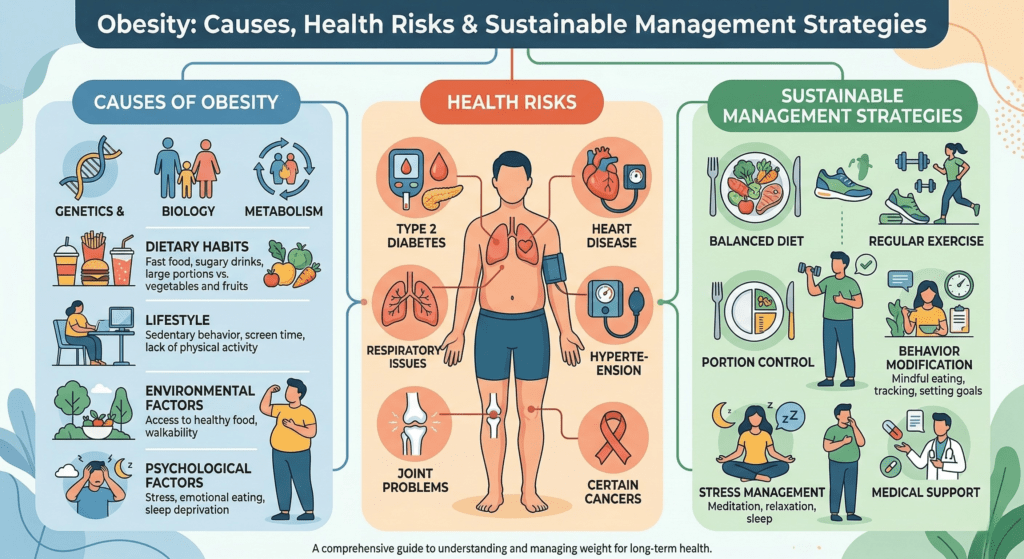
Obesity is a growing global health concern that affects people of all age groups. It is characterized by excessive body fat accumulation that may negatively impact overall health and increase the risk of chronic diseases. Unlike temporary weight gain, obesity is a complex metabolic condition influenced by lifestyle, genetics, hormonal balance, and environmental factors.
At Orovita7, we focus on evidence-based nutritional awareness and research-backed wellness solutions to support long-term health and balanced weight management.
Understanding Obesity and Its Impact
It is commonly assessed using Body Mass Index (BMI). A BMI of 30 or above is generally classified as obese. However, this condition is more than just a numerical value. It can disrupt metabolic processes, increase inflammation, and affect insulin sensitivity.
When left unmanaged, it may contribute to serious complications such as type 2 diabetes, cardiovascular disease, joint disorders, and fatty liver conditions. Early lifestyle intervention plays a crucial role in reducing associated risks.
Major Causes and Risk Factors
Several factors can lead to obesity, including:
Excess consumption of high-calorie processed foods
Low physical activity levels
Sedentary work habits
Genetic predisposition
Hormonal imbalances
Chronic stress and sleep deprivation
Modern dietary patterns rich in refined carbohydrates and sugary beverages significantly contribute to obesity. Emotional eating and irregular meal timing may further worsen the condition.
Health Risks Linked to Obesity
Long-term obesity increases the likelihood of developing:
High blood pressure
Heart disease
Insulin resistance
Stroke
Joint pain and mobility issues
Additionally, it may affect mental well-being by lowering self-confidence and increasing stress levels. Maintaining a healthy weight supports both physical and emotional health.
Warning Signs and Monitoring
Common signs associated with obesity include:
Persistent fatigue
Shortness of breath
Difficulty in physical movement
Increased waist circumference
Sleep disturbances
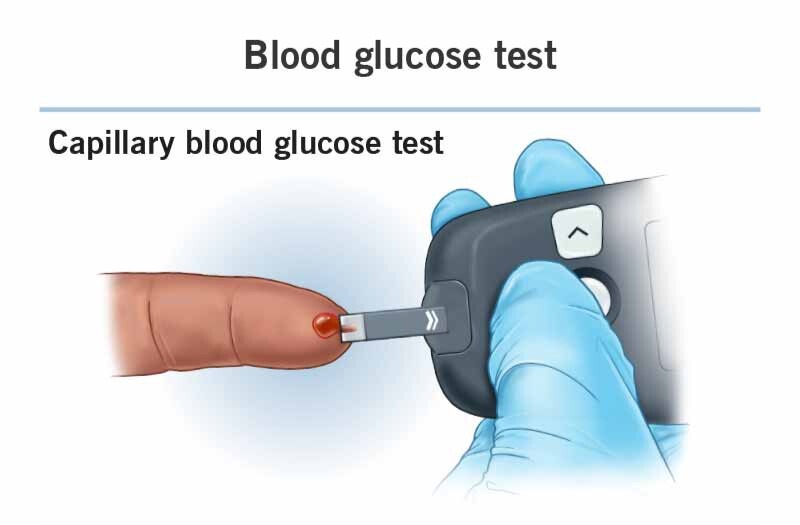
Regular health check-ups, BMI monitoring, and metabolic screening can help detect obesity-related risks at an early stage.
Natural and Sustainable Management Strategies
Managing it requires a balanced, long-term approach rather than quick fixes. Effective strategies include:
1. Balanced Nutrition
Focus on whole foods such as vegetables, fruits, lean proteins, and whole grains. Reducing processed foods and added sugars helps control calorie intake.
2. Regular Physical Activity
Engage in moderate exercise like brisk walking, strength training, or cycling for at least 30 minutes daily.
3. Portion Control
Mindful eating and portion awareness prevent excessive calorie consumption.
4. Stress Management
Yoga, meditation, and proper sleep help regulate hormones linked to it.
5. Nutraceutical Support
Science-based supplements containing metabolism-supporting ingredients may complement dietary efforts when used responsibly.
At Orovita7, our formulations are developed with carefully researched ingredients to support metabolic balance, energy levels, and overall wellness as part of a structured weight management plan.
Orovita7’s Commitment
We strictly follow the framework:
– Understanding real-life health and nutrition challenges
– Science-backed research and nutritional insights
– Reliable and responsible wellness information
– Transparent communication without exaggerated claims
Our goal is to educate individuals about it while promoting sustainable lifestyle improvements.
FAQ's
1. What is obesity?
Obesity is a medical condition characterized by excessive body fat that increases health risks.
2. What causes obesity?
Unhealthy diet, lack of exercise, genetics, hormonal imbalance, and stress are common causes.

3. Can obesity lead to serious diseases?
Yes, it increases the risk of diabetes, heart disease, and metabolic disorders.
4. How can obesity be managed naturally?
Healthy eating, regular exercise, stress control, and lifestyle modification are effective strategies.
5. Do supplements help in weight management?
Research-based supplements may support metabolism when combined with proper diet and medical guidance..