Malnutrition: Causes, Symptoms, Treatment & Nutritional Support
Malnutrition is a serious global health concern that occurs when the body does not receive adequate nutrients for proper growth and immune function. It affects children, adults, and elderly populations, leading to weakened immunity, low energy levels, and increased disease risk. Malnutrition is often linked with nutritional deficiency, protein deficiency, and vitamin deficiency, which can silently damage overall health.
At Orovita7, we provide science-backed healthcare support and nutraceutical supplements designed to address dietary gaps and promote long-term wellness.
What is Malnutrition?
Malnutrition refers to an imbalance in energy, protein, and micronutrient intake. It includes undernutrition, stunted growth, and deficiencies in essential vitamins and minerals such as iron, zinc, and vitamin B12. Poor dietary diversity and unhealthy eating habits are major contributors to malnutrition in both developing and urban populations.
When the body lacks essential micronutrients, immune health declines and recovery from illness slows down. Early nutritional assessment plays a key role in preventing long-term complications.
Causes of Nutritional Deficiency
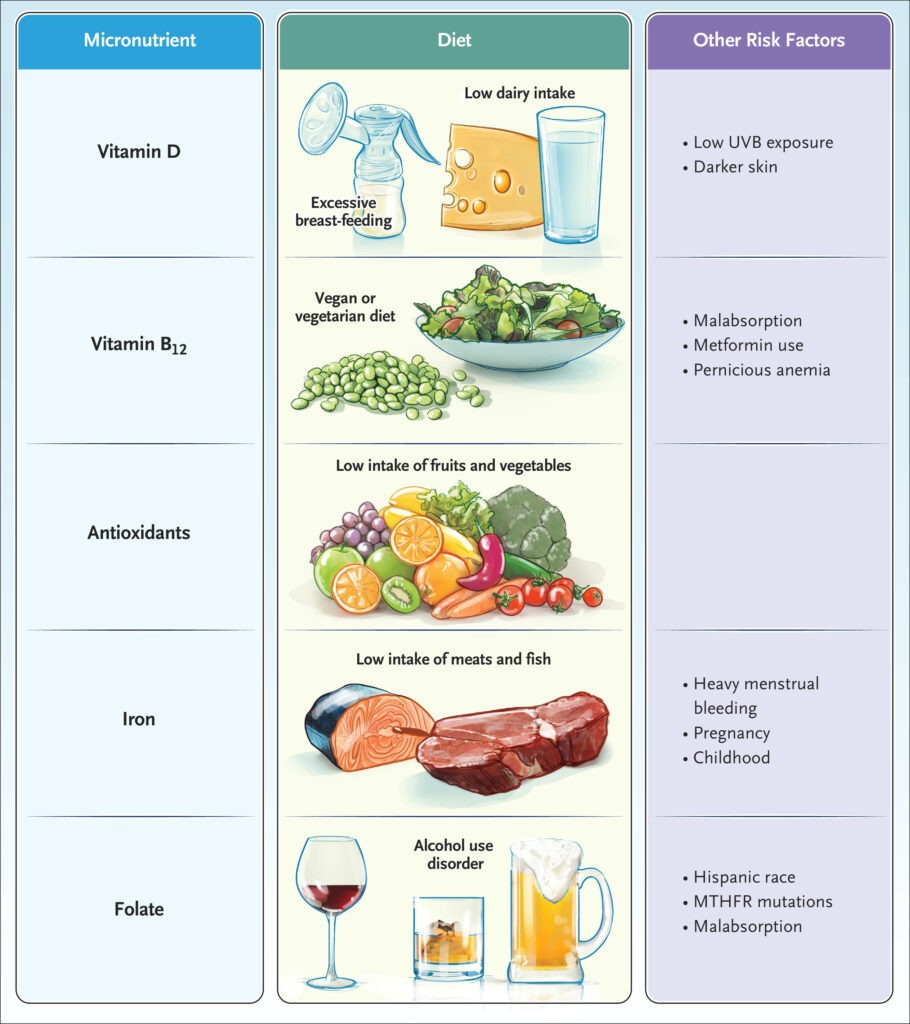
Several factors increase the risk of malnutrition nutritional deficiency including:
Inadequate protein intake
Diets low in vitamins and minerals
Chronic digestive disorders affecting nutrient absorption
Food insecurity and poverty
Increased nutritional needs during pregnancy or illness
Children suffering from child nutrition problems are particularly vulnerable. Similarly, elderly nutrition challenges such as poor appetite and chronic illness may increase susceptibility to malnutrition.
Symptoms and Warning Signs
Recognizing early signs helps in timely healthcare support. Common symptoms include:
Unintentional weight loss
Persistent fatigue and weakness
Frequent infections
Hair thinning and brittle nails
Poor growth and cognitive delay in children
If untreated, malnutrition may lead to anemia, muscle wasting, weakened bones, and hormonal imbalance. Severe cases require immediate medical attention and therapeutic nutrition.
Prevention and Nutritional Management
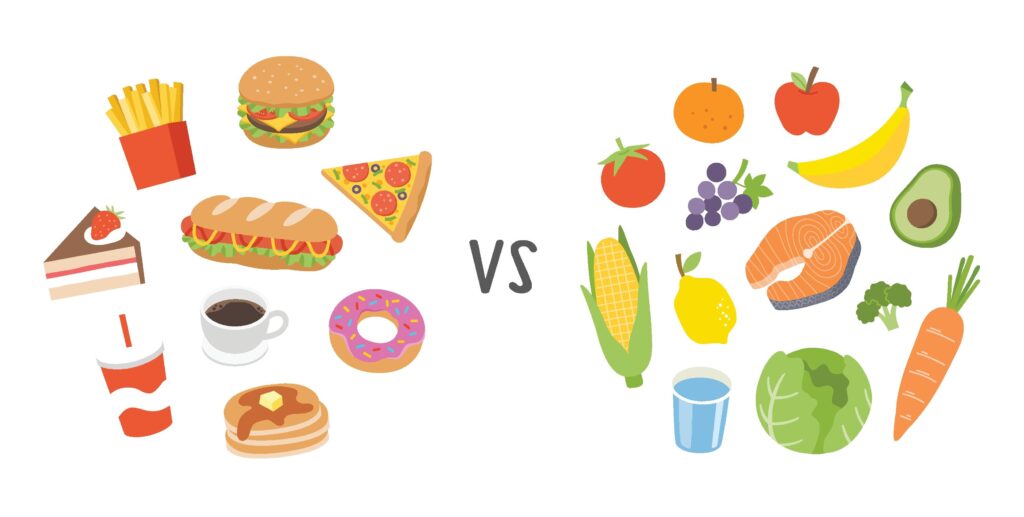
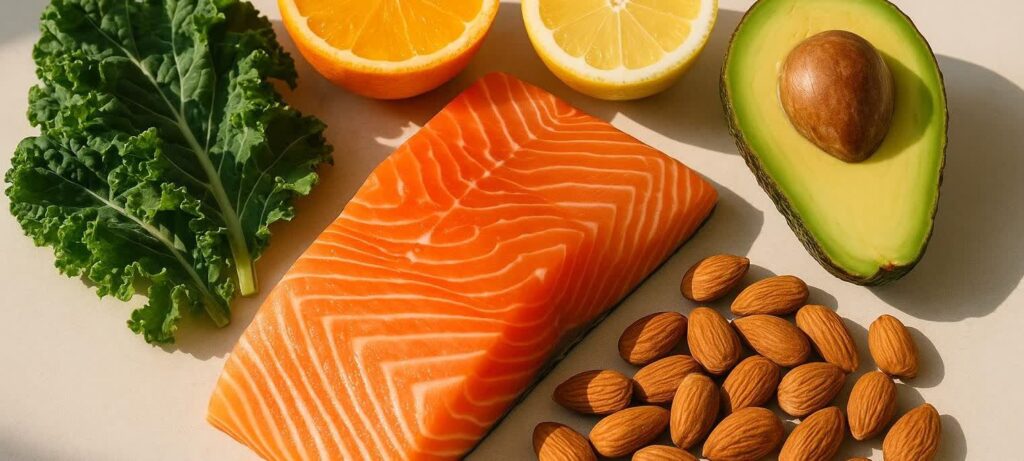
Preventing malnutrition requires a balanced diet rich in:
High-quality protein sources
Whole grains and fiber
Fresh fruits and vegetables
Iron, calcium, zinc, and essential fatty acids
In cases where dietary intake is insufficient, nutraceutical supplements can support nutritional recovery. Orovita7 develops research-driven formulations that help bridge dietary gaps and strengthen immune health safely and effectively.
Strategy at Orovita7
Our content strategy follows that framework:
Real-world understanding of nutritional challenges
Research-backed healthcare information
Evidence-supported recommendations
Transparent, science-based communication
Orovita7 is committed to promoting awareness about malnutrition and delivering reliable nutraceutical solutions for better health outcomes.
In conclusion, maintaining proper nutrition is essential for overall health, growth, and daily energy. When the body does not receive the right balance of nutrients, it can lead to weakness, poor immunity, and various health complications. Understanding the causes and recognizing early signs can help individuals take timely action to restore balance.
Improving dietary habits, ensuring access to nutrient-rich foods, and seeking appropriate medical or nutritional guidance can make a significant difference. A balanced diet that includes vitamins, minerals, proteins, and healthy fats supports recovery and long-term well-being. With awareness, preventive care, and proper nutritional support, individuals can build a stronger foundation for a healthier and more energetic life.
FAQ's
1. What are the main causes of malnutrition?
Poor diet, protein deficiency, vitamin deficiency, and chronic illness are common causes.
2. Who is most at risk?
Children, pregnant women, elderly individuals, and people with digestive disorders are at higher risk.
3. How can malnutrition be prevented?
It can be prevented through a balanced diet, regular health check-ups, and appropriate supplementation.
4. What are early symptoms?
Fatigue, weight loss, weakened immunity, and slow growth in children are early warning signs.
5. Are nutraceutical supplements helpful?
Yes, research-based supplements can help fill nutrient gaps and support overall immune health when used responsibly.